

WeWay: AI-Powered Social Navigation & Road Awareness App
Description
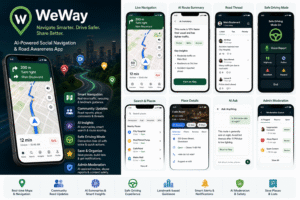
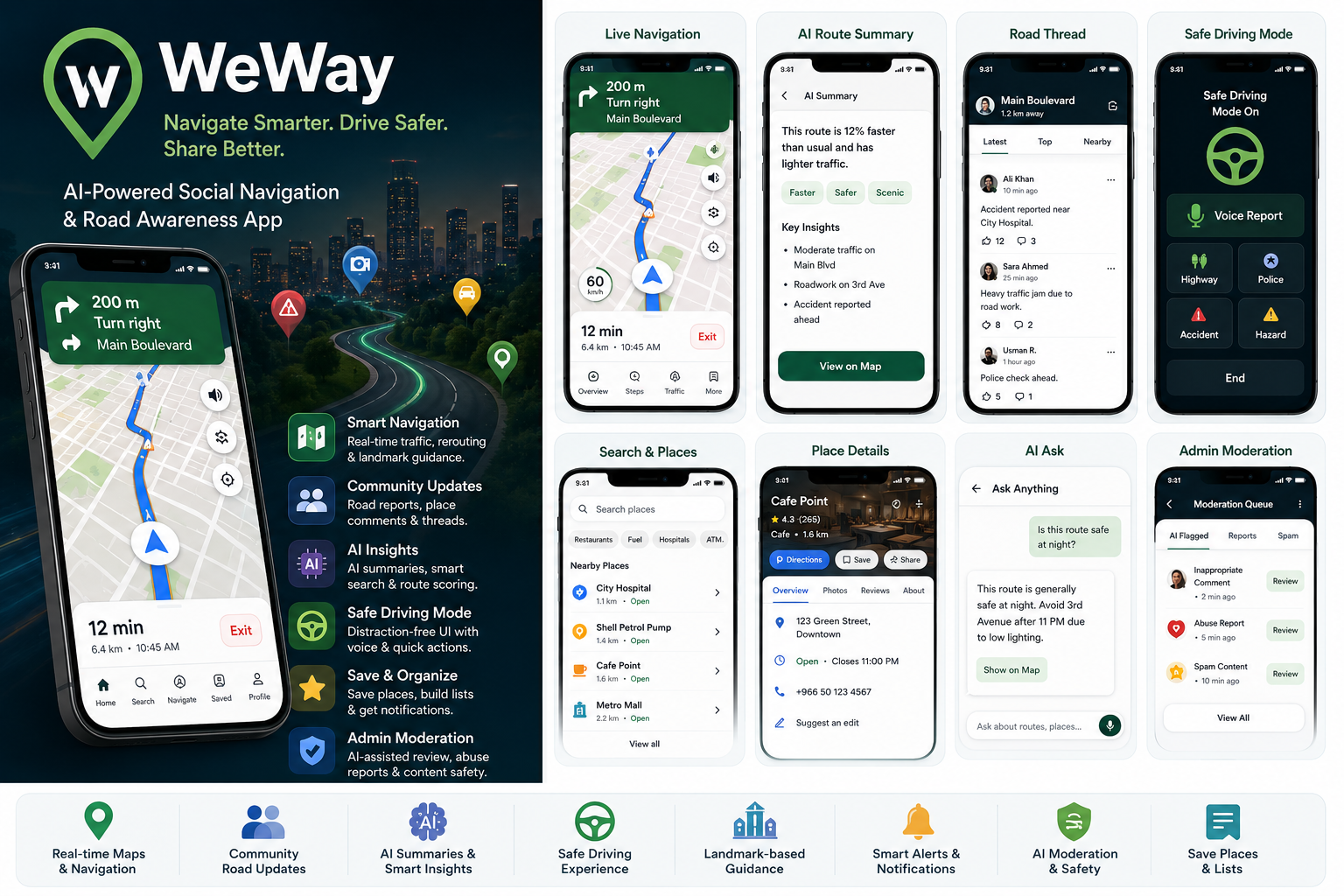
This project involved the complete software planning, requirements analysis, architecture design, and technical documentation for Vive, an AI-powered mobile navigation and social road-awareness application. The system was designed as a mobile-first platform that enhances traditional navigation by combining real-time map interaction, community-driven road updates, AI-based route summaries, landmark-based guidance, and safe-driving features.
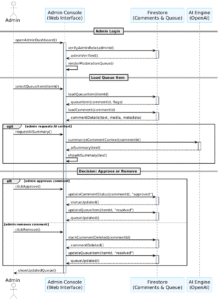
The application concept focused on helping users navigate more intelligently by using live maps, search, routing, place details, road comments, event reporting, AI insights, saved places, notifications, and admin moderation. Users could browse maps, search locations, start navigation, contribute road or place comments, report hazards, save favourite places, and receive route-aware updates. Admin users were supported through moderation tools for reviewing flagged content, abuse reports, AI-detected issues, and user activity.
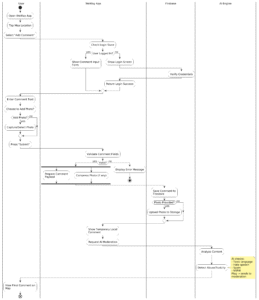
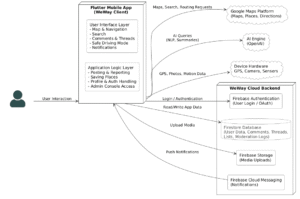
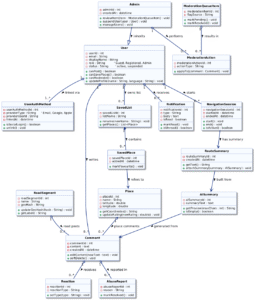
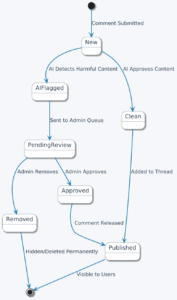
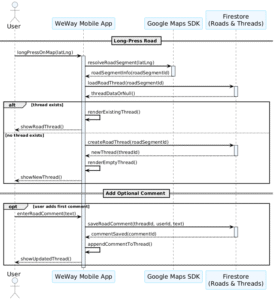
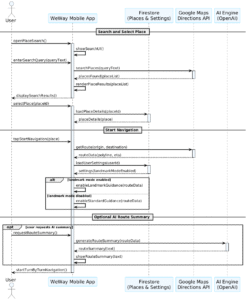
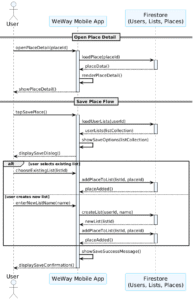
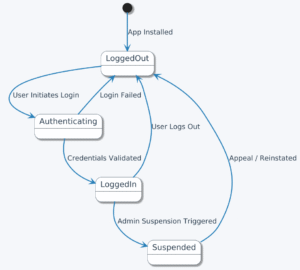
The project deliverables included a detailed Software Requirements Specification, Software Project Management Plan, Software Design Description, UI/UX screen documentation, use case models, functional and non-functional requirements, ERD, data dictionary, traceability matrix, sequence diagrams, state diagrams, architecture views, and initial implementation logic. The design followed a structured mobile-cloud architecture using Flutter for the mobile application, Firebase for authentication, Firestore, storage and notifications, Google Maps and Places APIs for navigation services, and OpenAI integration for AI summaries, natural-language discovery, and moderation support.
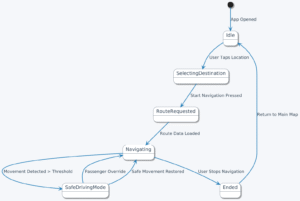
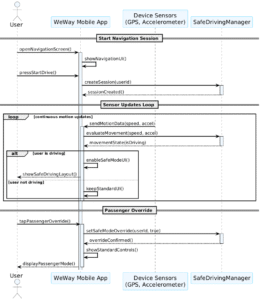
A key focus of the project was to make the system safe, scalable, and user-friendly. Safe Driving Mode was included to reduce distraction while driving, using large controls, quick-action safety tiles, voice-based reporting, and passenger override functionality. The system also included landmark-based navigation, allowing route instructions to be improved with nearby recognizable landmarks. Community reporting and road-thread features added a social layer, enabling users to contribute road-specific information and access local context beyond standard navigation apps.
Key Contributions & Strategic Impact
Hussnain Ali Hamza contributed by preparing a complete software analysis and design package that transformed the app idea into a structured technical blueprint. The work included defining system scope, user roles, functional requirements, non-functional requirements, use cases, UI screen flows, system architecture, database structure, project planning, risks, implementation logic, and integration requirements. The strategic impact of the project was the creation of a development-ready foundation that clearly explained what the application should do, how the system components should interact, and how the platform could support navigation, AI insights, social contributions, moderation, and safe-driving behaviour.
Key Points
- Prepared a complete Software Requirements Specification for the mobile navigation system.
- Defined core modules including map navigation, place search, road threads, comments, saved lists, notifications, AI queries, and safe-driving mode.
- Designed user roles for guest users, registered users, admins, and external service actors.
- Documented integration with Flutter, Firebase Authentication, Firestore, Firebase Storage, Firebase Cloud Messaging, Google Maps, Google Places, Google Directions, and OpenAI.
- Created structured functional requirements covering accounts, navigation, user contributions, AI intelligence, moderation, safe-driving behaviour, landmark guidance, saved lists, and notifications.
- Prepared non-functional requirements covering performance, safety, security, usability, reliability, maintainability, scalability, compliance, logging, backup, and localization.
- Developed UI/UX documentation for home/map screen, navigation screen, search, place details, event reporting, AI insights, profile/settings, admin moderation, comments flow, road thread view, and safe-driving mode panel.
- Created architecture and design documentation including logical view, interface view, interaction view, state view, deployment view, database design, ERD, UML diagrams, traceability matrix, and implementation classes.
- Planned the project using a hybrid Agile and prototyping approach with milestones for requirements, architecture, prototypes, testing, final improvements, delivery, and documentation.
- Addressed project risks such as GPS inaccuracy, AI moderation false positives, API quota limits, low-end device performance, Firestore security, schedule delays, and device compatibility.
Strategic Value Summary
This project provided a complete software engineering foundation for an AI-assisted navigation and road-awareness mobile application. By combining requirements analysis, architecture design, project planning, UI/UX flows, data modelling, AI integration, safety features, and implementation documentation, the project created a clear roadmap for building a scalable, secure, and user-focused navigation platform.